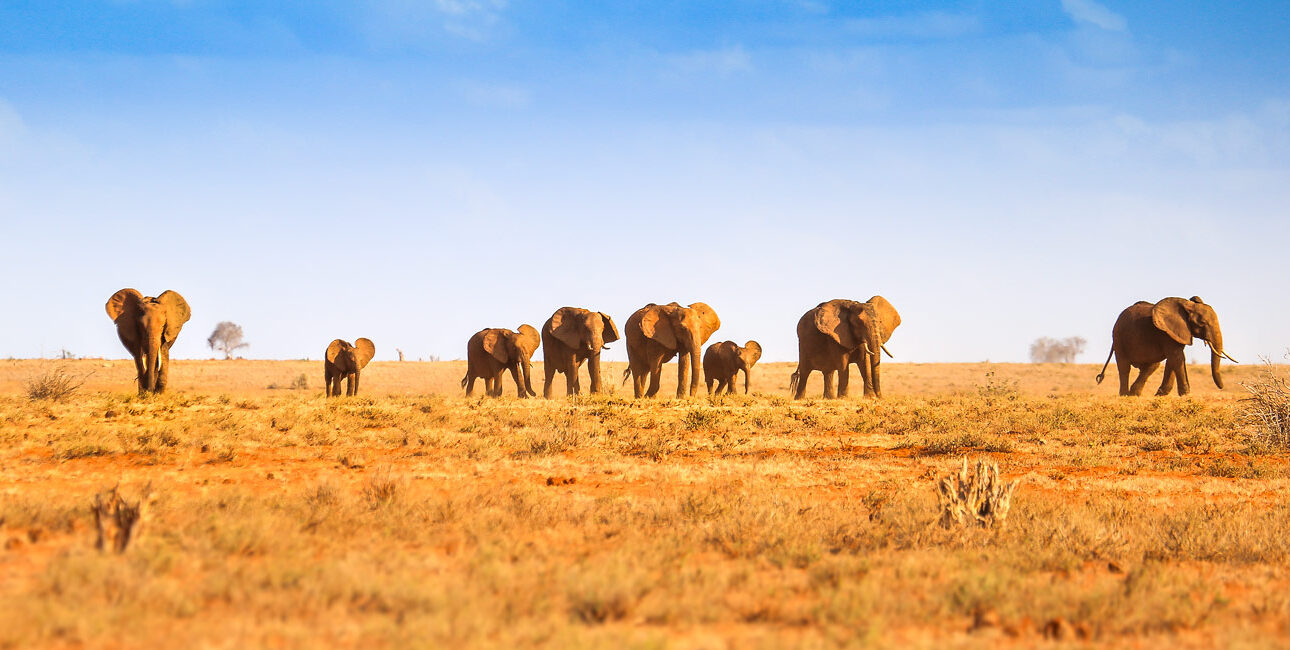
Tsavo East National Park is a massive protected area known for its “red elephants,” dust-red soil, and diverse wildlife. It is the largest national park in Kenya, located between Nairobi and Mombasa, and is known as the “Theatre of the Wild”.
Attractions
- Yatta Plateau: The world’s longest lava flow, stretching 290 km along the park’s western border.
- Galana River: Provides life-giving water in the arid region and is home to crocodiles and hippos.
- Aruba Dam: A man-made reservoir constructed on the Voi River in 1952, attracting numerous animals and water birds, especially during the dry season.
- Lugard Falls: A series of rapids on the Galana River, where the water plunges through bizarrely eroded rocks into crocodile-infested pools.
- Mudanda Rock: This 1.6 km long whale-backed rock is a water catchment area that overlooks a natural dam, attracting thousands of animals, particularly elephants.
Wildlife and birds
- Mammals: Tsavo East is home to most of the larger mammals, including the Big Five (lion, leopard, elephant, rhino, and buffalo), and is especially famous for its vast herds of red-dusted elephants. Other notable animals include giraffes, hippos, crocodiles, and cheetahs. You can also see lesser kudu, gerenuk, and the critically endangered Hirola antelope.
- Birds: With over 500 recorded species, the park is a birdwatcher’s paradise. Common sightings include the golden-breasted starling, vulturine guineafowl, Somali ostrich, and African finfoot. The best time for birdwatching is from November to April when migratory species are present.
Activities
- Game drives: Explore the park in a safari vehicle with an experienced guide. Early morning and late afternoon are the best times for wildlife viewing.
- Guided walking safaris: Offered along the Galana River, allowing you to experience the bush on foot.
- Night game drives: Offer a unique chance to see nocturnal animals like leopards and bush babies.
- Bush breakfasts and sundowners: Enjoy meals and drinks in scenic locations within the park.
- Cultural tours: Visit nearby Maasai and Kamba communities to experience their traditional cultures.
Planning your visit
- Best time to go: The dry season, from June to October and January to February, offers the best wildlife viewing opportunities. The cooler, drier weather thins out vegetation, making animals easier to spot as they gather around predictable water sources.
- How to get there from Mombasa:
- By road: The park is approximately a 3-hour drive from Mombasa. The main access from Mombasa is through the Bachuma Gate.
- By train: The Madaraka Express train runs from Mombasa Terminus to Voi Terminus, taking about 1.5 hours. From Voi, you can arrange a transfer with a tour operator.
- By air: Flights from Mombasa to one of the park’s airstrips take about 30 minutes.
- Cost: Entrance fees are approximately $60 per person per day. Safari packages, including accommodation and game drives, vary greatly depending on the tour operator and level of luxury.
- Operating hours: The park is open daily from 6 a.m. to 6 p.m..
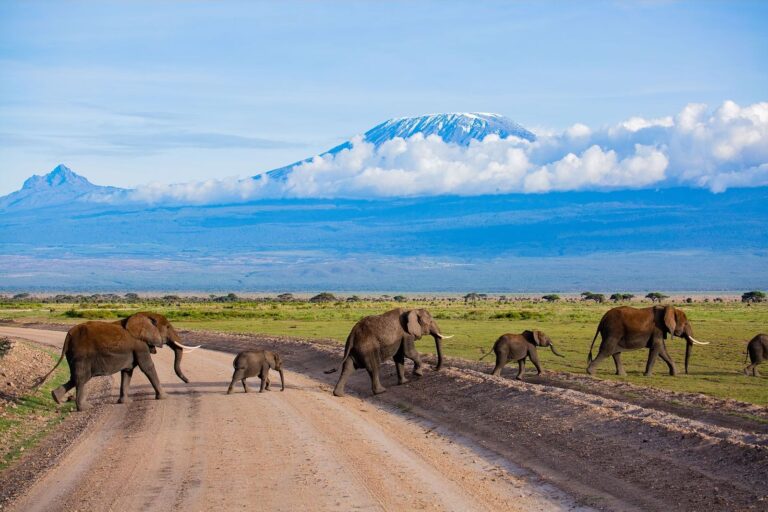
Amboseli National Park
13 Trips
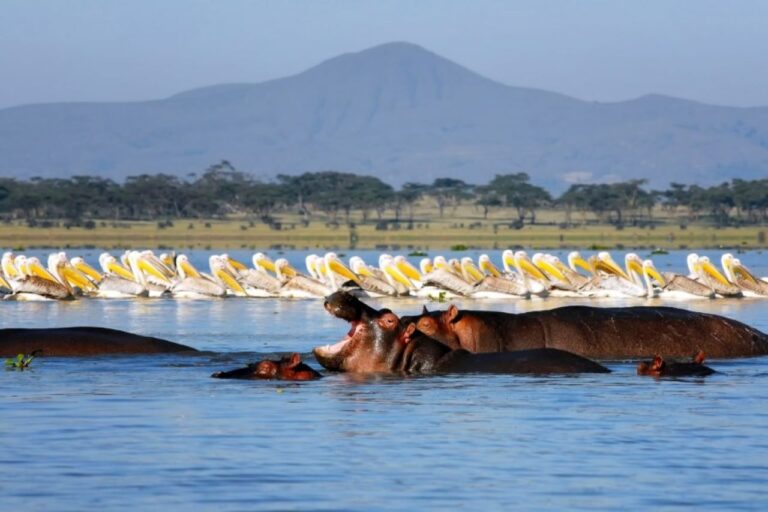
Lake Naivasha National Park
2 Trips
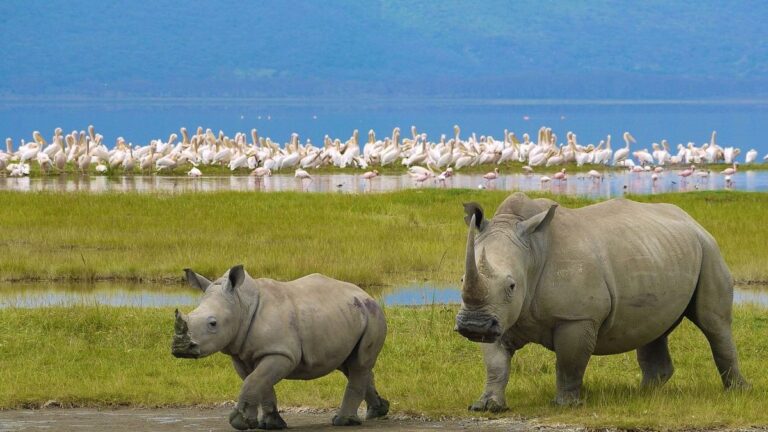
Lake Nakuru National Park
3 Trips
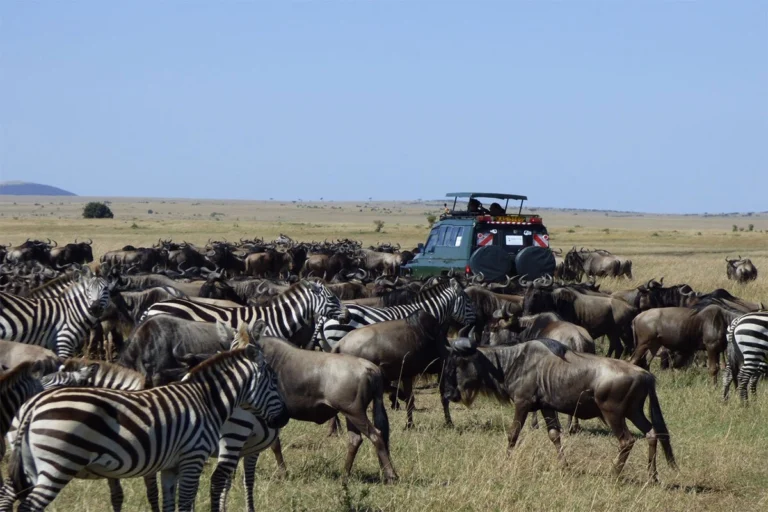
Maasai Mara National Reserve
7 Trips
Road Safaris from Mombasa
7 Trips
Roadd Safaris from Nairobi
2 Trips

