🦩 Lake Nakuru National Park, Kenya
🌅 Overview
Lake Nakuru National Park is one of Kenya’s most famous wildlife destinations, located in the Great Rift Valley. The park covers 188 square kilometers and is globally renowned for its spectacular flamingo populations, which often turn the lake pink. Lake Nakuru is a haven for both birdlife and land wildlife, offering visitors an unforgettable safari experience within a compact area.
The park’s diverse habitats include lakes, woodlands, grasslands, and cliffs, making it ideal for wildlife viewing and photography. Its close proximity to Nairobi (approximately 2-3 hours by road) makes it a popular destination for both short day trips and multi-day safaris.
✨ Highlights
Thousands of flamingos and other waterbirds
The endangered Rothschild’s giraffe
White and black rhinos in fenced sanctuaries
Big cats such as lions, leopards, and cheetahs
Scenic views of the Rift Valley escarpment
Easy access from Nairobi for short safaris
Photography opportunities for landscapes and wildlife
🐘 Wildlife in Lake Nakuru
Lake Nakuru National Park offers a rich variety of wildlife:
Birds: Over 450 species including flamingos, pelicans, cormorants, kingfishers, and African fish eagles.
Mammals:
Rothschild’s giraffe
Black and white rhinos
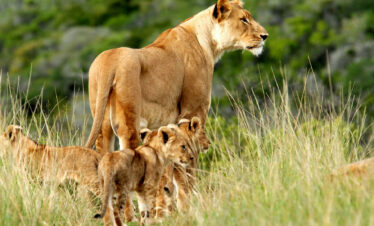
Lions, leopards, and cheetahs
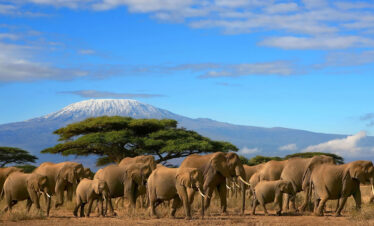
Zebras, warthogs, waterbucks, and buffalo
Unique Flora: The park features acacia woodlands and flowering grasslands, creating a beautiful contrast to the pink-hued lake.
📝 Safari Experiences
Game Drives
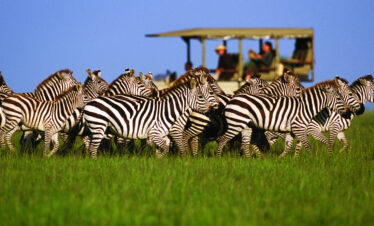
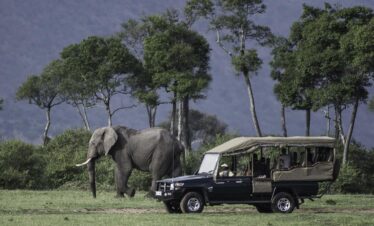
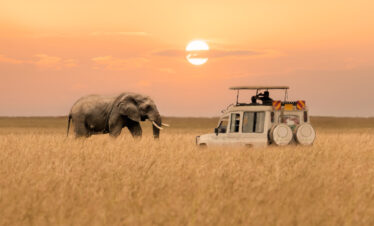
Early morning and late afternoon game drives provide the best opportunities to spot wildlife and enjoy the changing light for photography. Drives around the lake are particularly rewarding for birdwatchers.
Birdwatching
Lake Nakuru is a birdwatcher’s paradise, with thousands of flamingos feeding along the shoreline. Other species include African fish eagles, herons, and storks.
Wildlife Photography
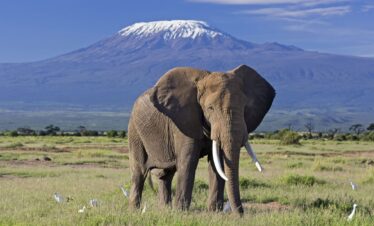
The park’s compact size allows for excellent photographic opportunities of both wildlife and landscapes, including the iconic Rift Valley escarpment in the background.
Nature Walks
Short walking safaris within designated areas provide a chance to observe smaller mammals, birds, and flora up close.
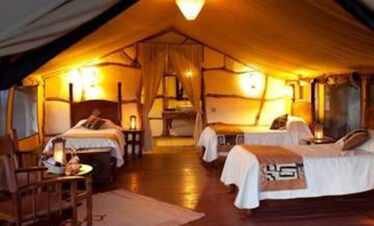
🏨 Accommodation in Lake Nakuru
The park and its surrounding areas offer a range of lodging options:
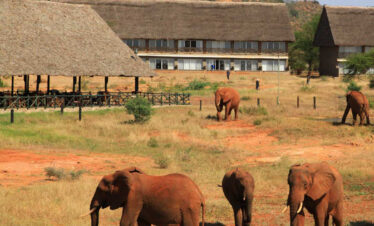
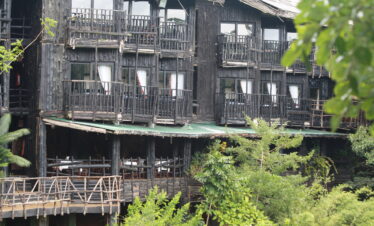
Luxury Lodges: Sarova Lion Hill Lodge, Lake Nakuru Lodge – with panoramic views of the lake
Mid-range Lodges: Flamingo Hill Tented Camp, Loldia House – comfortable rooms and full board meals
Budget Options: Campsites and budget lodges outside park boundaries
Most lodges include meals, park entry, and guided game drives, making it convenient for travelers.
🧳 Travel Tips
Best Time to Visit: Year-round, but the dry seasons (January – March, July – October) offer the best wildlife viewing
Getting There: 2-3 hours by road from Nairobi; guided tours often include transport
Safari Gear: Binoculars, camera, sunscreen, hat, comfortable walking shoes, light layers for early mornings
Health: Carry insect repellent and stay hydrated
Currency: Kenyan Shillings; major lodges accept credit cards
❓ Frequently Asked Questions (FAQs)
How far is Lake Nakuru from Nairobi?
Approximately 160 km, about 2-3 hours by road.
What is Lake Nakuru famous for?
Flamingos, rhinos, and the scenic Rift Valley landscape.
Can I see rhinos in Lake Nakuru?
Yes, both black and white rhinos are protected in fenced sanctuaries.
Are game drives included in safari packages?
Yes, most safari packages include morning and afternoon game drives.
Is the park suitable for a day trip?
Yes, it is ideal for day trips from Nairobi, though overnight stays allow for better wildlife experiences.
What other wildlife can I see?
Lions, leopards, cheetahs, giraffes, zebras, warthogs, buffalo, and numerous bird species.
Are children allowed in the park?
Yes, Lake Nakuru is family-friendly, but guided tours are recommended.
Do I need a guide?
Guides enhance the experience and ensure safety. Many lodges provide experienced guides.
Is it a good place for photography?
Absolutely, with abundant wildlife, flamingos, and scenic landscapes.
What should I pack for a visit?
Binoculars, camera, sunscreen, hat, insect repellent, water, and comfortable shoes.